

Do Brake Light Cameras Reduce Rear-End Collisions at Intersections
2026-01-21
As traffic management technology evolves, a critical question emerges: Do Brake Light Cameras Reduce Rear-End Collisions at Intersections? At Carleader, we delve into the data and mechanics behind these systems to provide a clear answer. Unlike traditional red-light cameras, Brake Light Cameras are designed to specifically monitor driver behavior leading up to an intersection, aiming to preemptively address a major cause of crashes.
The primary function of a Brake Light Camera is to detect when a vehicle's brake lights are not activated while approaching a signal that is turning red or is already red. The theory is straightforward: consistent and timely braking reduces sudden stops, thereby lowering the risk of a following vehicle crashing into the rear of the car ahead.
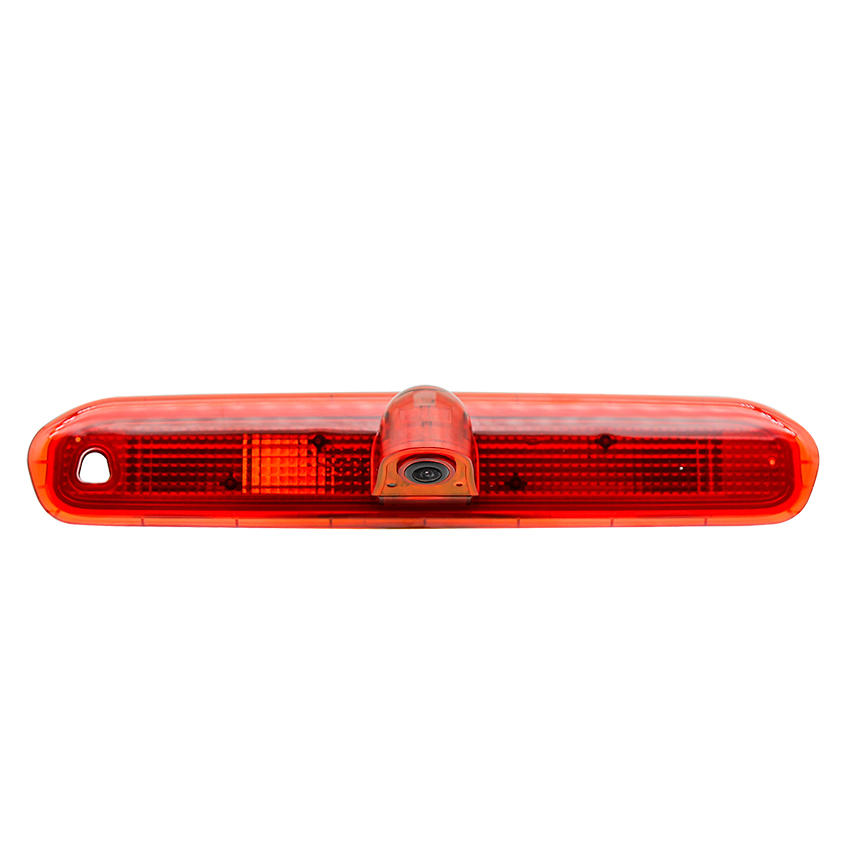
Evidence from various municipal studies suggests a positive correlation. The anticipated reduction in collisions hinges on two key behavioral changes:
-
Increased Following Distance: Knowing cameras are present encourages drivers to maintain a safer gap.
-
More Attentive Driving: The potential for a citation promotes focus on the traffic signal and the vehicle ahead.
A comparative analysis of collision types before and after installation often reveals this pattern:
| Collision Type | Trend After Camera Installation | Reason |
|---|---|---|
| Rear-End Collisions | Decrease | Encouraged earlier, smoother braking |
| Angle (T-Bone) Collisions | Decrease | Reduced red-light running |
| Overall Safety Metric | Improvement | Combined behavioral effect |
Brake Light Camera FAQ
Are brake light cameras the same as red light cameras?
No, they are complementary but different. A red light camera triggers when a vehicle enters an intersection after the light turns red. A Brake Light Camera analyzes approach behavior, potentially flagging vehicles that fail to brake for a stale yellow or red light, aiming to prevent the violation from occurring in the first place.
What happens if I stop safely but my brake lights are out?
This is a crucial distinction. Brake Light Camera systems are typically programmed to validate a malfunction first. If the system detects no braking effort (via vehicle speed and trajectory) and no brake light activation, it may issue a citation. However, a simple brake light malfunction with clear evidence of safe stopping (like significant deceleration) can often be contested. Regular vehicle checks, a service Carleader always emphasizes, are vital.
Can these cameras distinguish between hard and normal braking?
Advanced systems can analyze deceleration rates. While the primary goal is to encourage any braking action, unusually hard braking might still be recorded as an event, as it indicates a last-moment reaction which is a precursor to rear-end collisions. The ideal outcome promoted is early, gradual braking.
In conclusion, while no technology is a silver bullet, Brake Light Cameras present a compelling tool for modifying driver behavior and reducing the specific risk of rear-end collisions at intersections. The data indicates they contribute to a broader ecosystem of intersection safety. For drivers, the lesson is universal: attentive, defensive driving is irreplaceable.
Have more questions about how traffic safety technology impacts you, or need expert advice on your vehicle's systems? Contact us at Carleader today for trusted, professional insights.