

How Does a Safety Light Curtain Enhance Industrial Safety?
2026-03-05
Article Summary
Safety light curtains are essential components in modern industrial automation, providing reliable protection for operators while maintaining production efficiency. This article explores the principles, applications, selection criteria, and installation best practices of safety light curtains. It addresses common operational pain points and highlights how Fuwei’s solutions deliver reliable, customizable, and high-performance safety systems for various industrial environments.
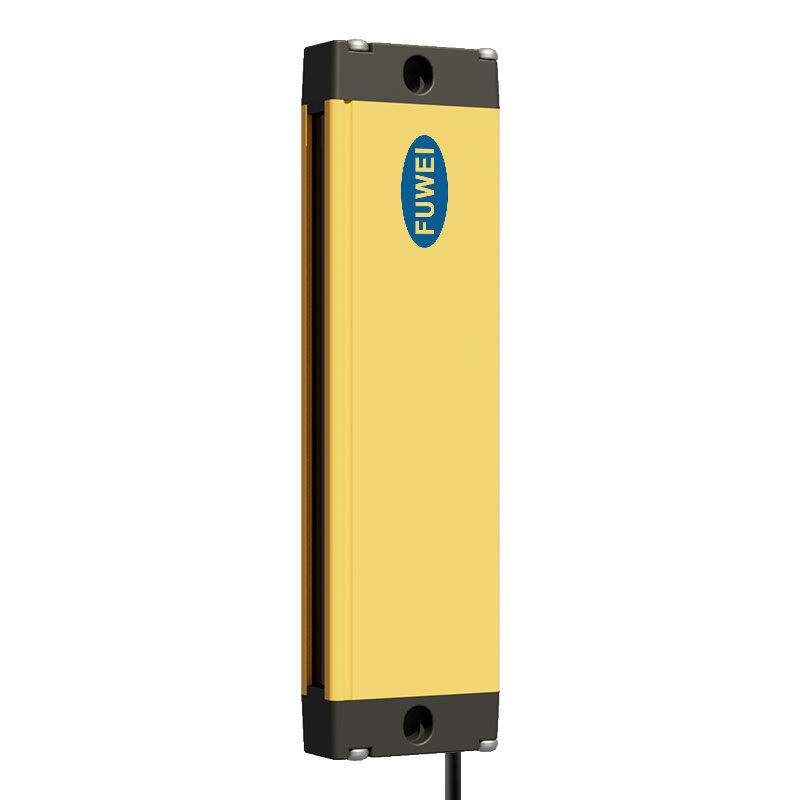
Table of Contents
- Safety Light Curtain Overview
- Common Customer Pain Points
- Types of Safety Light Curtains
- How to Choose the Right Safety Light Curtain
- Installation Guidelines and Best Practices
- Safety Light Curtain Comparison Table
- Maintenance and Performance Check
- Industrial Applications
- Frequently Asked Questions
- Conclusion and Contact Us
Safety Light Curtain Overview
A safety light curtain is an optoelectronic device designed to create a protective sensing field around dangerous machinery or hazardous areas. When the beam of the curtain is interrupted, the system triggers an immediate stop or safety response, preventing accidents and injuries. Unlike mechanical guards, light curtains allow operators to access the workspace quickly while maintaining high safety standards.
Modern safety light curtains incorporate advanced features such as muting, blanking, and cascading to handle complex industrial processes. Fuwei provides customizable solutions to meet diverse safety requirements while ensuring easy integration with existing automation systems.
Common Customer Pain Points
Industrial operators and safety managers often face challenges in deploying light curtain systems effectively. The most frequent issues include:
- Improper curtain selection leading to blind spots
- Frequent false triggers disrupting production
- Complex installation requirements in tight spaces
- Lack of integration with existing safety controls
- Difficulty in maintaining system reliability over time
Addressing these pain points requires careful planning, proper product selection, and adherence to installation best practices.
Types of Safety Light Curtains
Safety light curtains are available in several configurations depending on sensing range, resolution, and protective function:
- Standard Type – Provides general protection for machines with straightforward access points
- High-Resolution Type – Detects smaller objects or fingers, suitable for robotic applications
- Muting Type – Temporarily ignores certain objects to allow automatic material handling without tripping
- Cascading Type – Combines multiple curtains to cover large or complex areas
- Compact Type – Designed for limited space installations
How to Choose the Right Safety Light Curtain
Selecting the correct safety light curtain involves evaluating multiple factors to ensure both safety compliance and operational efficiency:
- Required protection height and width based on machine size
- Resolution and sensing distance matching operator exposure risks
- Compatibility with control systems and emergency stops
- Environmental factors such as dust, vibration, and temperature
- Installation flexibility and adjustability for future process changes
Fuwei offers technical consultation to assist customers in choosing optimal models that balance protection, cost, and process efficiency.
Installation Guidelines and Best Practices
Proper installation is crucial for reliable operation. Key guidelines include:
- Position the curtain to eliminate blind spots and ensure full coverage
- Maintain correct alignment between emitter and receiver units
- Integrate with machine stop circuits and safety relays
- Use protective housings in harsh environments
- Follow manufacturer’s recommended testing and calibration procedures
Safety Light Curtain Comparison Table
| Type | Resolution | Application | Key Feature |
|---|---|---|---|
| Standard | 14–30 mm | General machinery | Reliable basic protection |
| High-Resolution | 7–14 mm | Robotics, precision tasks | Finger detection and fine control |
| Muting | 14–30 mm | Material handling | Allows temporary object passage |
| Cascading | Custom | Large machines, multi-zone protection | Expandable protective coverage |
| Compact | 14 mm | Tight installations | Space-efficient design |
Maintenance and Performance Check
Routine maintenance ensures long-term reliability and safety compliance. Key actions include:
- Periodic cleaning of lenses to prevent beam obstruction
- Testing system response and stopping function regularly
- Verifying alignment of emitter and receiver units
- Updating firmware and control integration if applicable
- Documenting maintenance for safety audits
Industrial Applications
Safety light curtains are widely adopted in multiple industrial sectors:
- Press brakes, stamping machines, and cutting equipment
- Robotic cells and assembly lines
- Packaging and material handling systems
- Laboratory and testing equipment requiring operator interaction
- Automation environments requiring flexible access control
Frequently Asked Questions
Can a safety light curtain replace mechanical guards?
Safety light curtains can complement or, in some cases, replace mechanical guards, but a risk assessment must verify suitability for each machine.
How often should the curtain alignment be checked?
Alignment should be checked during installation and periodically according to manufacturer guidelines, typically every 6–12 months.
Are safety light curtains suitable for harsh industrial environments?
Yes, but units must be selected based on IP rating, vibration tolerance, and temperature limits. Fuwei provides ruggedized options for challenging environments.
Can multiple curtains be used together?
Yes, cascading and muting features allow multiple curtains to provide comprehensive coverage without compromising safety.
Conclusion and Contact Us
Safety light curtains are critical for preventing accidents and improving operational efficiency in industrial environments. Proper selection, installation, and maintenance are essential to maximize safety performance. By understanding different types, application requirements, and technical considerations, operators can achieve reliable protection while maintaining productivity.
Fuwei specializes in providing high-quality, customizable safety light curtain solutions suitable for diverse industrial applications. If you are looking to enhance workplace safety, reduce downtime, or require expert guidance in selecting the right safety light curtain, contact us today to learn how Fuwei can help protect your workforce and optimize your production processes.