

Why Are Solar Spot Lights Becoming the Smartest Outdoor Lighting Choice?
2025-12-02
Solar spot lights are increasingly chosen for residential and commercial landscapes because they offer a blend of energy efficiency, outdoor durability, and flexible illumination that adapts to diverse environments.
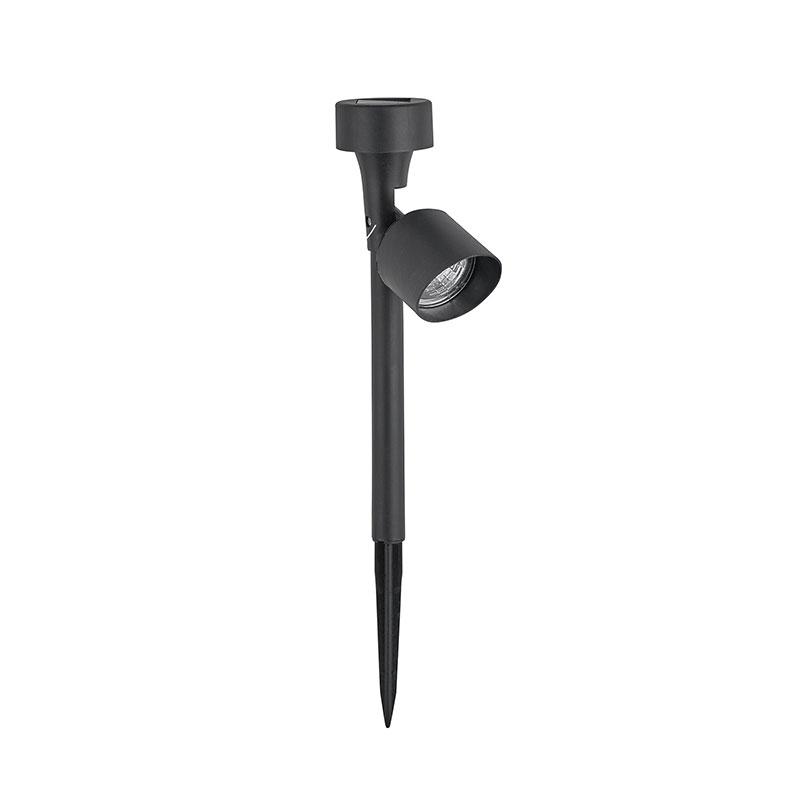
How Do Solar Spot Lights Deliver High-Performance Outdoor Illumination?
Solar spot lights operate by converting sunlight into electricity, storing it in a rechargeable battery, then releasing controlled beams of light at night. Understanding how this process works reveals why the technology is valued for both residential and commercial outdoor use.
How the Core System Works
Solar spot lights generally include four key components:
-
Solar Panel: Converts sunlight into energy.
-
Lithium or LiFePO4 Battery: Stores energy for nighttime use.
-
LED Light Source: Produces high-intensity directional lighting.
-
Control IC: Regulates charging, discharging, and automatic day-night switching.
These elements combine to create a closed energy cycle with no wiring, zero electricity cost, and minimal maintenance.
How Product Specifications Influence Performance
A professional-grade solar spot light must demonstrate strong efficiency across brightness, battery life, durability, and adjustability. Below is a comprehensive parameter set representative of high-performance solar spot lighting:
| Parameter | Specification |
|---|---|
| Solar Panel Type | High-efficiency monocrystalline panel |
| LED Output | 300–1200 lumens adjustable |
| Battery Type | LiFePO4 rechargeable battery |
| Battery Capacity | 2200–5000 mAh |
| Waterproof Rating | IP65 or IP67 outdoor protection |
| Color Temperature Options | 2700K warm / 4000K neutral / 6500K cool |
| Working Time | 8–14 hours per charge depending on mode |
| Charging Time | 4–6 hours under direct sunlight |
| Installation Options | Ground stake / wall mount / adjustable spotlight head |
| Material | UV-resistant ABS, aluminum alloy, or both |
| Operating Modes | High / Medium / Low auto-dimming |
| Sensors | Optional motion sensor or auto-on dusk-to-dawn |
These specifications offer a clear indicator of how effectively a solar spotlight can perform in varied climates, seasons, and lighting applications.
How Do High-Brightness LEDs Enhance Outdoor Visibility?
Solar spot lights use concentrated optical lenses that focus LED beams into narrow, controlled angles. This design allows the light to highlight trees, architectural columns, flags, sculptures, gardens, or security areas with precision.
With luminance levels reaching up to 1000 lumens or more, solar spot lights can replace traditional wired landscape spotlights while eliminating installation labor.
How Do Solar Spot Lights Improve Outdoor Functionality and Energy Efficiency?
Solar spot lights have become popular not only because they reduce energy consumption but also because they significantly improve the aesthetics and practicality of outdoor areas.
How Do They Support Multi-Angle Lighting Design?
Adjustable spotlight heads allow users to direct beams upward or downward depending on the target. This adaptability supports uses such as:
-
Highlighting tall trees
-
Accentuating building façades
-
Marking pathways and entry points
-
Enhancing garden landscapes
-
Illuminating signage or monuments
The combination of adjustable tilt angles and multi-mode brightness enables highly customized outdoor lighting.
How Does Solar Power Reduce Long-Term Costs?
Solar spot lights eliminate wiring costs, trenching, electrical permits, and utility fees. Over long-term use, energy savings can be substantial because the lights rely entirely on renewable solar power. With lithium batteries supporting hundreds of charge cycles, maintenance requirements remain minimal.
How Do Weather-Resistant Materials Extend Product Lifespan?
A well-engineered solar spotlight typically features:
-
UV-resistant housing
-
Waterproof sealing gaskets
-
Corrosion-resistant aluminum structures
-
High-impact lens design
These elements ensure reliable operation even in environments exposed to rainfall, snow, humidity, or scorching sunlight.
How Are Solar Spot Lights Shaping the Future of Outdoor Lighting?
Solar technology continues to integrate intelligently with modern lighting solutions. Several trends highlight how solar spot lights are evolving.
How Smart Controls Are Transforming Solar Lighting
Future solar spot lights are expected to adopt advanced technologies such as:
-
Intelligent brightness scheduling
-
Remote app-based control
-
Motion detection with adaptive dimming
-
Automatic seasonal charging optimization
-
Self-heating systems for colder climates
-
Smart load balancing for extended runtime
This shift is moving solar spot lights from simple outdoor fixtures to advanced energy-managed systems.
How New Materials Are Improving Light Efficiency
Emerging technologies include:
-
High-transparency optical lenses
-
Graphene heat-dissipation sheets
-
Upgraded monocrystalline solar panels with higher conversion rates
-
Next-generation LiFePO4 batteries designed for extended lifespan
These innovations boost both the efficiency and sustainability of solar spot lights.
How Sustainability Drives Market Growth
Solar lighting aligns with global sustainability goals by reducing power infrastructure burden and enabling renewable-energy installations everywhere from suburban homes to public parks. As governments and homeowners prioritize low-carbon solutions, solar spot lights will continue to replace traditional outdoor lights.
How to Choose the Right Solar Spot Light + FAQ + Brand Closing
Choosing the right solar spot light requires evaluating brightness, battery capacity, waterproof rating, adjustability, and intended use. The decision should be based on environment, lighting goals, and required durability.
How to Make the Best Purchasing Decision
When selecting a solar spotlight, consider the following:
-
How bright does the illumination need to be?
For tall trees or building façades, 600–1200 lumens is ideal. For pathway lighting, 200–400 lumens is sufficient. -
How long should the light run at night?
Larger battery capacities ensure illumination through cloudy days. -
How harsh is the local climate?
Higher IP ratings ensure long-term performance in extreme rain or snow. -
How flexible should installation be?
Ground stakes, wall brackets, and adjustable heads offer versatility.
Common Questions About Solar Spot Lights
Q1: How long do solar spot lights typically last?
A high-quality solar spot light can last 3–5 years for LED components and up to 2–3 years for the battery, depending on usage and climate. With LiFePO4 batteries, the lifespan may extend further due to higher cycle stability. Housing materials such as aluminum alloy also help improve longevity.
Q2: How can solar spot lights stay bright during winter or cloudy days?
Efficient solar panels store energy even in low-light conditions, though at reduced efficiency. A larger battery capacity, high-conversion monocrystalline panels, and optimized charging circuits help maintain reliable performance. Some units also offer low-brightness modes that automatically adjust output to conserve energy for longer runtimes.
Solar spot lights continue to transform outdoor environments by delivering precision lighting, solar-powered efficiency, and long-term cost savings. As the technology advances—integrating smarter controls, enhanced battery chemistry, and improved optical design—the adoption of solar spot lights is expected to grow across residential, commercial, and public landscapes. For high-quality manufacturing, professional-grade engineering, and dependable outdoor lighting solutions, Ningbo Hejia Lighting provides a wide range of solar spot lights designed for durability, brightness, and energy efficiency. For more information or project consultation, please feel free to contact us.